Indo Arabic Mehendi
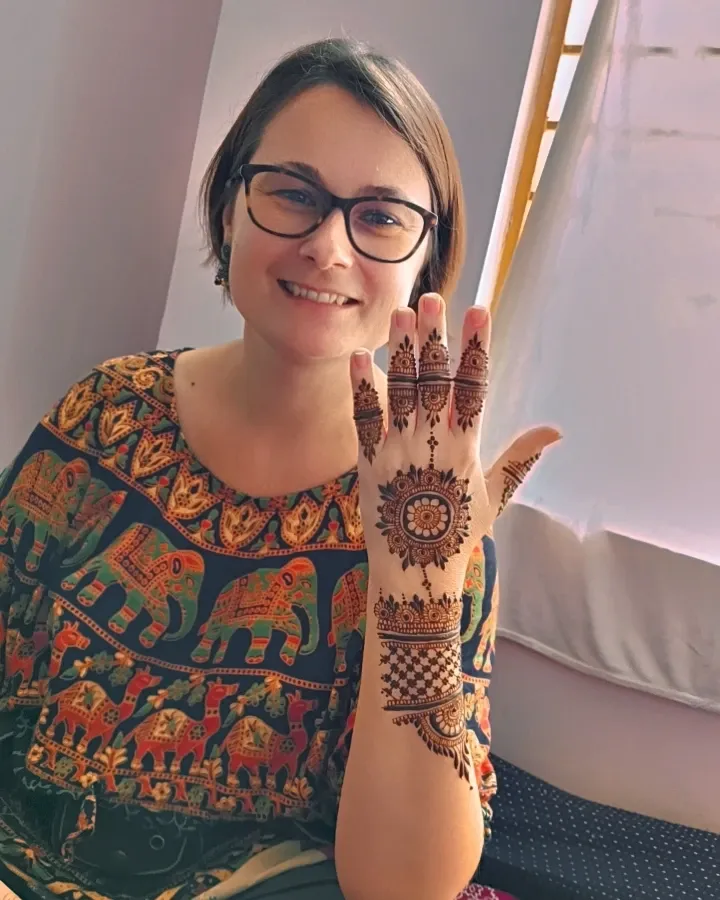
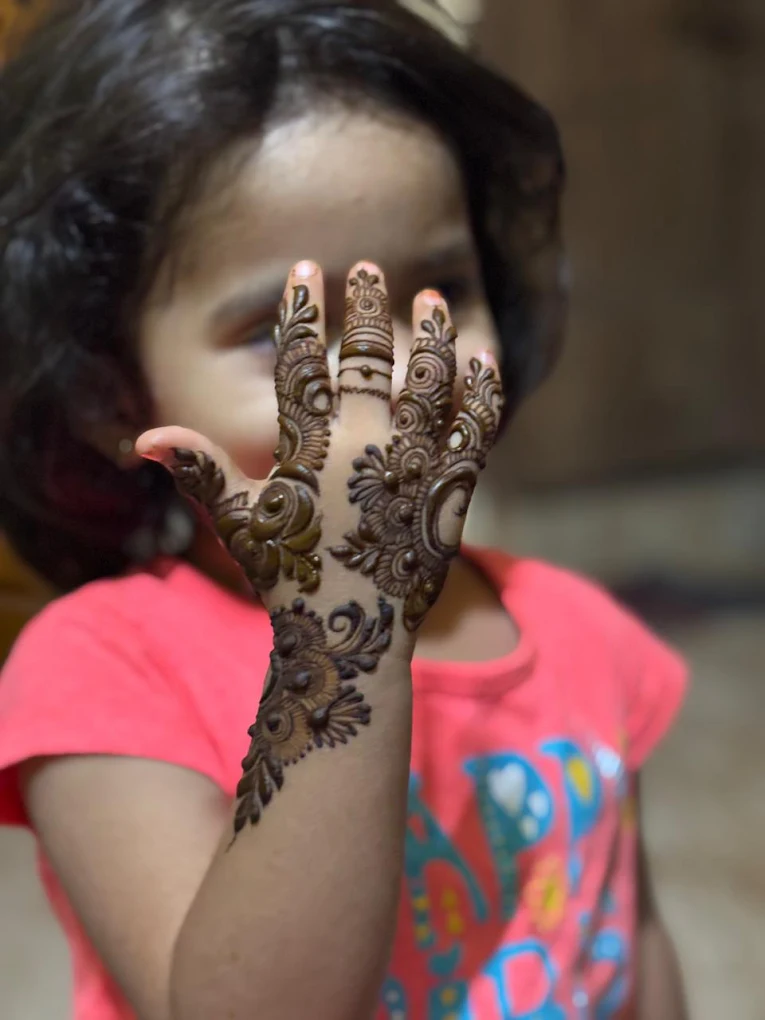
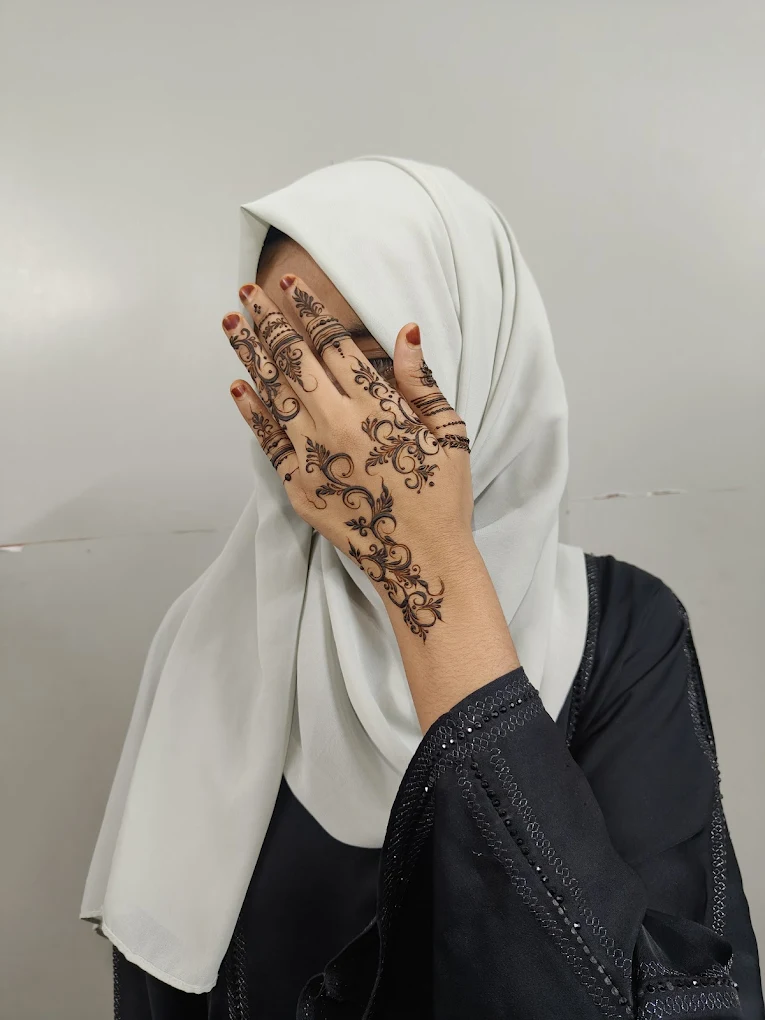
Indo Arabic mehendi is the style I get asked for most by modern brides who cannot decide between traditional density and Arabic boldness — because it does not ask them to choose. Sweeping Arabic trails carry the composition while traditional fill, dots, and lattice work add the depth and detail that keep the design from looking too sparse.
 100+
100+
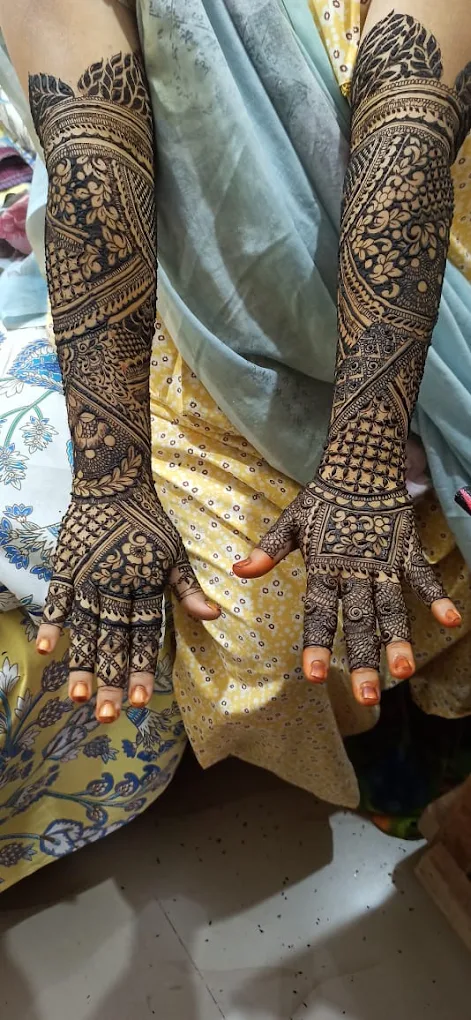
Indo Arabic mehendi sits deliberately between two very different design languages. It borrows the confident, large-scale floral trails and negative space of Arabic mehendi as the backbone of the composition, then fills in select sections with the fine paisley, net, and shading work that traditional mehendi is known for. The result is a design that has visual impact from a distance, the way Arabic mehendi does, but rewards a closer look with the intricacy traditional mehendi delivers. It is, in a lot of ways, the best of both worlds rather than a compromise between them.
The process starts the same way an Arabic design would — I lay down the major floral and vine trails first to establish flow and direction across the hand. From there, instead of leaving those gaps as bare skin, I go back in and layer traditional detailing into select pockets: fine dot work, small paisleys, or lattice fill inside the larger floral shapes. This layering is where the skill of Indo Arabic really shows, because overdoing the fill work collapses the open, breathable look that makes the style appealing in the first place, while underdoing it just leaves you with plain Arabic mehendi.
This has become one of the most requested styles for modern brides specifically because it photographs well and suits both the bridal look and the lighter functions around a wedding — mehendi ceremonies, sangeets, and receptions. It also gives brides who want bridal-level detail but not full dense coverage a middle path, and I frequently use it as the base style for bridal bookings where the bride wants her name-hiding or initials worked into a modern rather than strictly traditional composition. A full hand generally takes 90 minutes to two hours, sitting between the speed of pure Arabic and the length of pure traditional work.
We prepare our henna using natural ingredients for smooth application and rich colour development, which matters even more for a hybrid style like this since both the bold trail work and the fine detail sections need paste that holds a clean line without bleeding. The stain develops over 24 to 48 hours into a rich terracotta to maroon depending on skin type and aftercare. Indo Arabic bookings are among the most popular I take across Bangalore, particularly from Koramangala, Indiranagar, and Whitefield brides planning their pre-wedding mehendi ceremony.
Indo Arabic Bridal Mehendi
Indo Arabic bridal mehendi works well for brides who want detailed artwork without the dense coverage of traditional mehendi. Floral trails, paisleys, lattice detailing and personalised elements can be combined to create a customised bridal design. Explore our full Bridal Mehendi service or book a Bridal Mehendi Artist in Bangalore.
Home service available across Bangalore. See Home Mehendi Services in Bangalore for details.
Pricing depends on the design, coverage, location and booking requirements. See our mehendi price in Bangalore guide for more information.
Ready to book? Get in touch with an Arabic Mehendi Artist in Bangalore for your Indo Arabic design.
Frequently Asked Questions
Yes, Indo Arabic is one of the most requested styles for bridal mehendi ceremonies because it gives the visual richness of traditional work without covering the hand as densely, and it tends to photograph very well for both close-up and wide shots. Many brides choose it as the base style for their full bridal booking, then add name-hiding or portrait detailing on top.
Choose Arabic if you want a bold look done quickly with plenty of open skin showing, choose Traditional if you want dense, classic coverage with maximum detail, and choose Indo Arabic if you want a middle ground that balances both. I can also bring reference images during a consultation so you can compare the styles side by side before deciding.
Yes, a bit longer, since the traditional fill sections added inside the Arabic trails require extra detailing time. A full hand generally takes 90 minutes to two hours compared to roughly 45 minutes to an hour for pure Arabic mehendi, though it is still noticeably faster than a fully dense traditional design.
Yes. Floral trails, paisleys, lattice details, initials and other personalised elements can be incorporated based on your preferred style and coverage.
Pricing depends on the design, coverage, location and booking requirements. Contact us for a customised quote. See our mehendi price in Bangalore guide for more information.
Other Mehendi Services
Ready to Book Your Indo Arabic Mehendi?
Message us on WhatsApp with your date and location to check availability and get a clear, upfront quote.
Chat on WhatsApp to Book